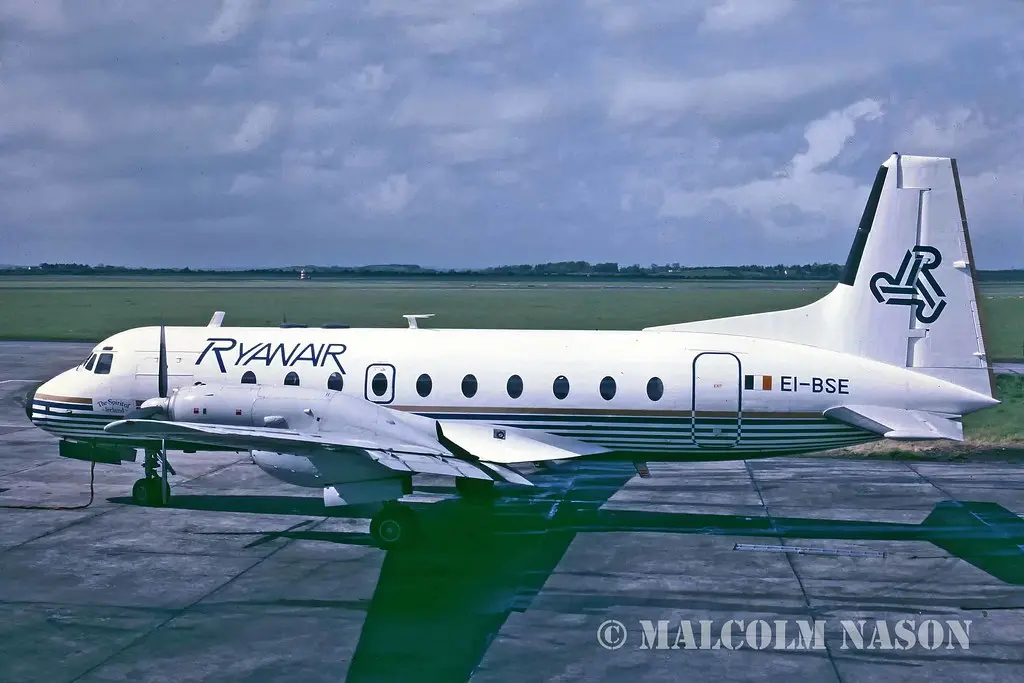
Ryanair Faces Trials as Competition Heats Up
In the face of mounting scrutiny and rapidly changing market dynamics, Ryanair continues to soar and stumble in equal measure. With recent statistics highlighting a surge in passenger numbers post-pandemic—up nearly 10 million travelers year-on-year—Ryanair is undoubtedly riding a wave of recovery. However, it isn’t just the gust of returning air traffic that directors at the low-cost carrier need to navigate; they must also contend with burgeoning competition and shifting customer expectations.
The Competitive Landscape
Ryanair’s impressive growth figures come at a critical moment when rivals are also reclaiming lost ground. Airlines like easyJet and Wizz Air have ramped up their capacities, vying for the same budget-conscious consumers. EasyJet, for instance, reported a 30% increase in their passenger numbers last quarter, posing a serious challenge to Ryanair’s market dominance.
Michael O’Leary, Ryanair’s famously outspoken CEO, remarked, “We have to continue to innovate and ensure our services are not just the cheapest but also the most reliable and enjoyable for our customers.” This perspective highlights the dual pressure on Ryanair to maintain its status as a leader while simultaneously enhancing the customer experience, a challenge that could redefine the future of low-cost travel.
Shifting Consumer Sentiments
Social media sentiment has revealed that consumers are increasingly valuing experience over cost. A recent Twitter poll indicated that 65% of travelers today prioritize service quality and digital convenience over low ticket prices. This evolution in consumer expectations is compelling Ryanair—once renowned for its no-frills approach—to rethink aspects of its service model.
The frustration with lengthy wait times, cramped seating, and hidden fees has also been echoed in feedback across platforms. A recent Reddit thread captured sentiments, with one user exclaiming, “I just want a seat without feeling like I’m sharing it with my luggage!” That sentiment brings light to the fact that customer satisfaction may become a decisive factor in the intense competition in the budget airline market.
Ryanair’s Strategic Moves
To counteract these challenges, Ryanair is making strategic investments in technology and customer relations. Initiatives such as improving its app functionalities for easy check-in, enhancing in-flight service options, and investing in fuel-efficient aircraft indicate a conscious shift in their operational strategies.
Moreover, the budget airline plans to add more routes across Europe, specifically targeting underserved markets which could provide a strategic edge. As O’Leary stressed, “Our future growth will hinge on flying the right routes at the right prices, ensuring we keep our operations as lean as possible.”
The Road Ahead
Despite the obstacles it faces, Ryanair remains unyielding, exhibiting resilience typically found in market leaders determined to retain and grow their share. The upcoming year will undoubtedly test Ryanair’s mettle as it balances competitive pricing with a radical overhaul of customer service.
As the situation evolves, stakeholders in the airline industry will be closely monitoring Ryanair’s response to shifting consumer sentiments and burgeoning competition. The outcome could redefine the low-cost travel experience, not just for Ryanair but for the entire budget airline sector.