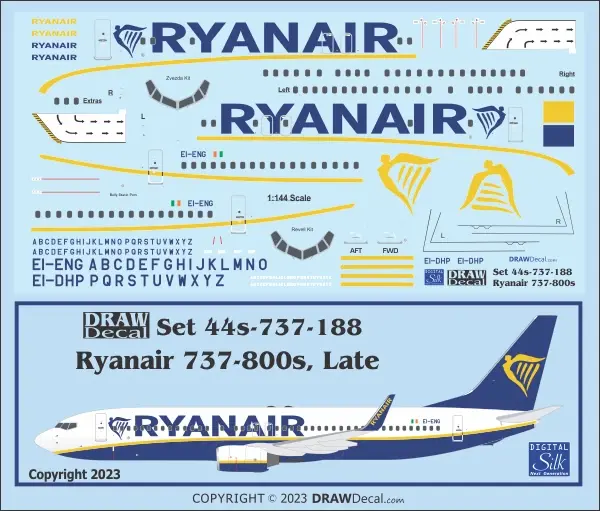
The Disruption of Affordable Flying
As Europe opens its skies to travelers once more, few airlines have made as indelible a mark on air travel as Ryanair. Established in 1984, the Irish low-cost carrier has transformed the way we think about flying. With prices as low as €10 for a flight, it has democratized air travel, making it accessible to millions. But beyond crammed boarding processes and unexpected fees, Ryanair’s model offers deeper insights into present-day travel dynamics.
Redefining the Passenger Experience
Ryanair’s no-frills approach extends beyond low initial ticket prices. To sustain these low fares, the airline charges for extras like seat selection, priority boarding, and even cabin baggage. While this might seem frustrating at first glance, many passengers have adapted to this model. “It’s all about expectations. If you know what you’re getting into—barebones service with unbeatable prices—then it’s easier to swallow those extra fees,” shared Maria, a frequent flyer and travel blogger. “Ryanair has become part of my travel routine, and I appreciate the savings.”
The Environmental Impact
Amid rising concerns about climate change, Ryanair’s business model has sparked debates on sustainability in the aviation sector. As a budget airline, it tends to operate older, less fuel-efficient aircraft, which has raised eyebrows regarding its carbon footprint. However, Ryanair has also announced plans to invest in new, more environmentally friendly aircraft and aims to be the world’s first major airline to be carbon neutral by 2050.
Public Sentiment and Social Media Backlash
Ryanair’s reputation is a double-edged sword. On platforms like Twitter and Instagram, passengers frequently express their frustrations with hidden fees and service delays. During a recent analysis, data indicated that nearly 60% of comments regarding the airline were critical, focusing on customer service experiences. Yet, there lies an undeniable loyalty among its user base, as seen in various social media polls asking followers about their travel preferences. “Ryanair may not be perfect, but they get me from Point A to Point B at a price I can afford,” noted Liam, a student who travels frequently for studies across Europe.
The Future of Budget Travel
As the aviation landscape continues to evolve in a post-pandemic world, Ryanair’s model may serve as a blueprint for budget airlines globally. With a projected increase in air travel demand in the coming years—expected to hit a record high of 4.5 billion passengers by 2025 according to the International Air Transport Association—Ryanair’s ability to adapt will be critical. Budget airlines across the globe are likely to take notes on its strategies, possibly redefining air travel for future generations.
A Wacky Ride Ahead
In the ever-changing realm of budget travel, Ryanair remains a significant player. It continually challenges the status quo, balancing affordability with the growing demand for sustainability and customer satisfaction. Although it might get some things wrong, its impact on European travel is undeniable, turning what was once a luxury into an attainable experience for all. As we buckle up for whatever comes next, one thing is for certain: Ryanair isn’t grounding its flights anytime soon.