Introduction: A New Era of Word Puzzles
In the era of digital entertainment, a simple yet challenging game has captured the hearts and minds of millions across the globe. Launched in October 2021, Wordle quickly transformed from a niche pastime into a worldwide sensation. Its appeal lies not just in its gameplay, but in the sense of community it fosters among players as they share their daily experiences and strategies online.
The Game Mechanics
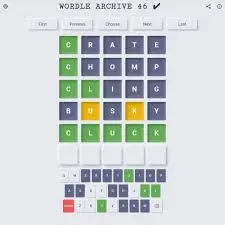
At its core, Wordle is a straightforward word-guessing game. Players have six attempts to identify a five-letter word, receiving feedback after each guess in the form of color-coded hints. A correct letter in the right position turns green, while a correct letter in the wrong position appears yellow, and incorrect guesses show up in gray. This clever system keeps players engaged while also catering to their competitive instincts.
Origins and Rapid Growth
Created by software engineer Josh Wardle as a gift for his partner, Wordle’s concept has roots in traditional word games. However, it gained unprecedented traction when it was released online for free. Its accessibility played a pivotal role in its rise; players could participate without download or subscription hassles. According to a recent survey, nearly 90% of players engage with Wordle daily, highlighting its integration into the morning routines of many.
Community and Cultural Impact
Wordle’s impact extends beyond mere gameplay, fostering a vibrant online community. Social media platforms like Twitter and Facebook are flooded with daily updates, friendly rivalries, and strategy-sharing. A simple grid of colored squares—the signature way players share their results—has become a symbol of achievement and connection. “It’s amazing how this little game has become a part of our daily lives. I find myself in conversations about it with friends and family more than I do about the news,” says Dr. Elena Petrou, a linguistics professor who studies language games.
Criticism and Competition
Despite its popularity, Wordle has faced criticism, particularly regarding its simplicity. Some argue that its straightforward mechanics can lead to repetitive gameplay. Additionally, the recent acquisition by The New York Times has raised concerns among dedicated players about potential changes to its accessibility. However, the NYT has promised to keep Wordle free and unchanged for regular users—a move aimed at retaining its core audience.
The Wordle Legacy
As new word games and variations emerge, such as the myriad of clone versions available online, Wordle’s legacy remains strong. It has propelled interest in word games often overlooked in the digital gaming landscape. With more than 2.7 million players reported as of early 2023, it seems that Wordle isn’t just a fleeting trend; it has established a lasting presence in gaming culture. As players continue to connect through this simple yet profound game, Wordle’s influence on daily life and social interaction remains undeniable.
Looking Ahead
The question that lingers in the minds of many enthusiasts is: what will happen next? With the continued evolution of digital entertainment, Wordle’s adaptability may very well determine its longevity. As innovations emerge in gaming mechanics and community engagement, players are left anticipating the next chapter in this word game revolution.