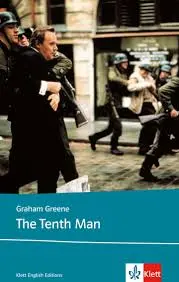
The Timeless Influence of Graham Greene
In a world where literature often shifts focus like the sands of time, one name remains steadfast in its relevance: Graham Greene. Known for his intricate narratives and profound psychological insight, Greene’s work has transcended genres, offering both gripping stories and complex moral inquiries.
Greene’s Complicated Characterizations
Greene’s brilliance lies in his ability to construct characters that seem to blur the lines between heroism and villainy. This complex characterization can be seen in works like “The Power and the Glory,” where the protagonist is a flawed priest battling his own demons while facing a corrupt state. Greene’s characters often grapple with moral ambiguity, an aspect that continues to resonate with readers today.
Historical Context and Global Impact
Greene’s career spanned some of the most tumultuous periods of the 20th century, from World War II to the Cold War. His deep understanding of politics and international relations informed novels like “The Quiet American,” which critiques Western imperialism and delves into the concept of innocence corrupted by moral choices. Such themes have seen a resurgence in recent years, paralleling contemporary discussions about interventionism and ethics in politics.
Modern-Day Reflections
Social media sentiment regarding Greene’s impact has shown that younger generations are increasingly drawn to his works. Recent trends indicate a noticeable uptick in Greene-related discussions on platforms like Twitter and Instagram, particularly as readers seek depth in literary exploration. One recent tweet encapsulated this enthusiasm: “Reading Graham Greene is like peeling back layers of the human condition. Each page reveals another truth we avoid in everyday life.”
Conclusion: A Voice for Our Times
As we navigate the complexities of our current global climate, Graham Greene’s exploration of human frailty and ethical dilemmas, pairing personal conflict with broader historical narratives, is more relevant than ever. It invites new discussions and interpretations that could shape future literary landscapes.