Celestial Events Capturing Our Imagination
As night falls on October 28, stargazers around the world will turn their eyes skyward for a mesmerizing event: the lunar eclipse. This astronomical phenomenon, where Earth passes between the sun and the moon, casts a shadow on the lunar surface, producing breathtaking visuals that have captivated humanity for centuries.
The Science Behind the Spectacle
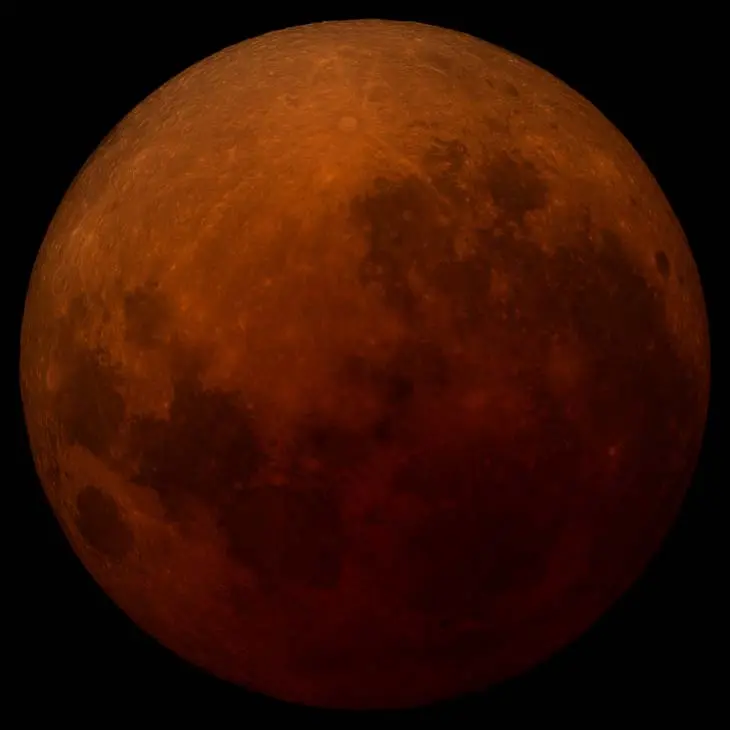
A lunar eclipse occurs when the Earth obstructs sunlight from illuminating the moon. The eclipse can be partial, where only a portion of the moon is covered, or total, where the entire moon is engulfed in shadow. During a total eclipse, the moon may take on a stunning reddish hue, often referred to as a ‘blood moon.’ This effect is caused by Rayleigh scattering, a process similar to why sunsets appear red.
Cultural and Spiritual Significance
Throughout history, lunar eclipses have carried significant cultural weight. In various traditions, witnessing a lunar eclipse is associated with both omens and opportunities for reflection. Anthropologist, Dr. Sophia Markos, notes: “Eclipses have historically evoked both fear and fascination. They remind us of our place in the cosmos and the rhythms of the natural world.” Communities often come together for viewing parties and ceremonies, using the occasion to foster a sense of wonder and kinship.
Public Interest and Social Media Buzz
On social media platforms, anticipation for the upcoming lunar eclipse is building, with hashtags like ‘#LunarEclipse2023’ already trending. Enthusiastic amateurs and seasoned astronomers alike are sharing tips on the best viewing experience, as well as breathtaking images from past eclipses. Recent surveys suggest that over 60% of people worldwide plan to observe the event, whether through binoculars, telescopes, or simply with the naked eye. This surge in public interest reflects a broader trend of people seeking a deeper connection with natural phenomena.
What You Need to Know
For those looking to catch the lunar eclipse, time and date vary by location, making it essential for observers to verify local times. As the eclipse approaches, experts recommend heading to areas with minimal light pollution for optimum viewing conditions. Safety first: unlike solar eclipses, lunar eclipses don’t require any special equipment to view. Simply look to the sky and enjoy the show.
A Night to Remember
As we near this remarkable cosmic event, it serves as a reminder of our shared experience on this planet. Engaging with such celestial phenomena not only stimulates scientific curiosity but also reinforces community bonds through shared awe and admiration. The lunar eclipse on October 28 may just be a night to remember, inviting everyone to pause and reflect on the wonders of the universe.