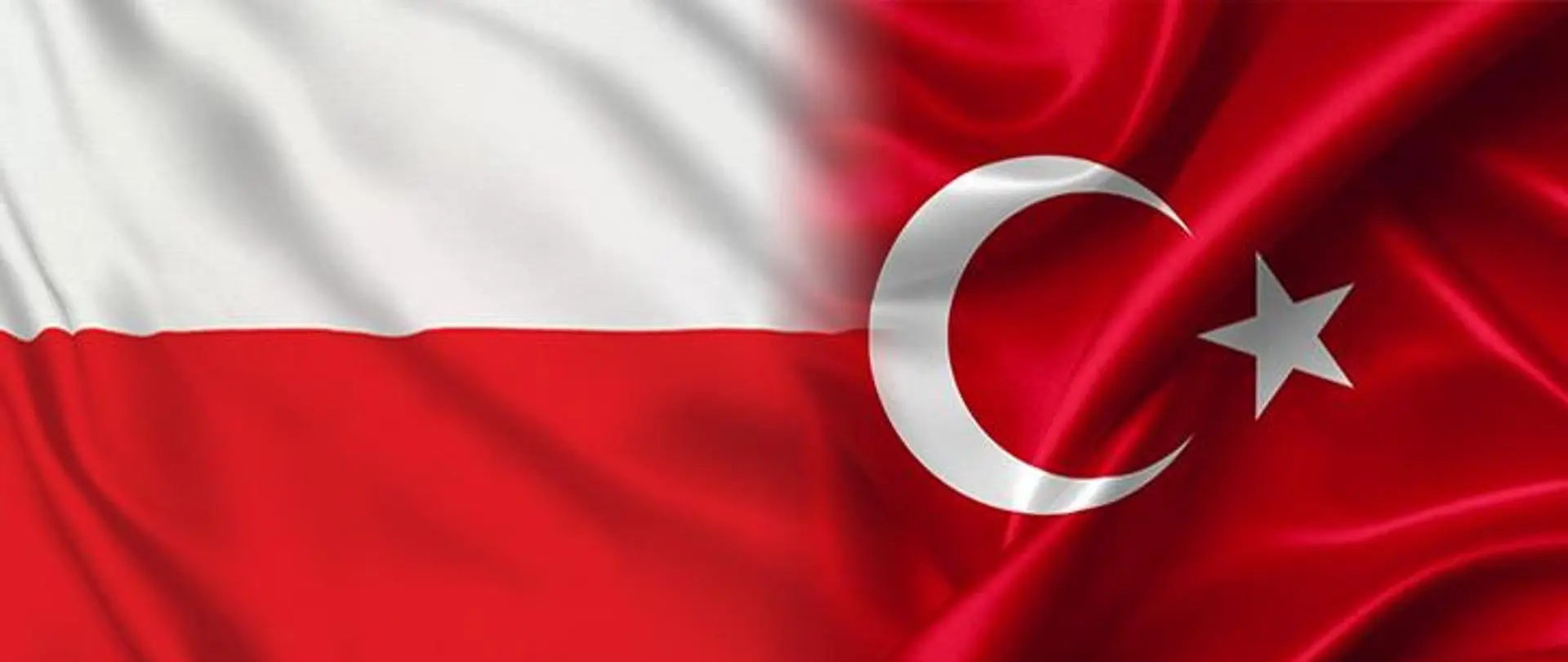
New Alliances in a Uncertain Landscape
In a geopolitically charged atmosphere marked by shifts in power dynamics, Turkey and Poland have recently emerged as unexpected allies, forging a partnership that has caught the attention of analysts and policymakers. As European security concerns mount in light of ongoing tensions with Russia and issues surrounding migration, this burgeoning relationship is poised to take on greater significance.
A Historical Perspective
Historically, Turkey and Poland have rarely been at the forefront of one another’s foreign policy agendas. Poland, primarily focused on its relationship with its European Union partners, has often viewed Turkey through the lens of its NATO membership and geopolitical importance. Conversely, Turkey, straddling Europe and Asia, has usually concentrated on its own ambitions in the Middle East and broader global affairs. Yet, in the wake of the ongoing conflict in Ukraine and the need for security collaboration, both nations find themselves reevaluating their strategic interests.
Mutual Benefits in Defense
The recent discussions surrounding defense procurement highlight the pragmatism of both nations. Poland’s military modernization efforts have seen it lean towards procurement from Turkey, including its advanced drone technologies. As Poland aims to enhance its military readiness, Turkey’s burgeoning defense industry offers a viable alternative amidst European procurement challenges.
“Turkey’s defense capabilities are increasingly being recognized across Europe. Countries like Poland are looking beyond traditional partnerships to meet their security needs,” explains Dr. Magdalena Zajac, an expert in European foreign relations. “This trend could redefine military collaborations in Eastern Europe.”
Economic Opportunities
Trade between Turkey and Poland is also showing signs of growth, with bilateral trade reaching approximately $7 billion in 2022. Polish exports of chemicals, machinery, and electronics are making headway into the Turkish market, while Turkish textiles and automotive components are gaining traction in Poland. These economic ties reflect a broader trend of diversification in trade relationships, as both countries aspire to create more resilient supply chains.
Public Sentiment and Social Media Reaction
Public reaction to this shifting partnership has been varied, especially on platforms like Twitter and Facebook. While many view the alliance positively, highlighting the importance of regional security cooperation, others express skepticism about aligning too closely with Turkey, given its domestic and foreign policies. A recent poll indicated that 63% of Poles support improved relations with Turkey, yet concerns about human rights records linger. Online discussions often center around the benefits of cooperation tempered by the need for vigilant scrutiny.
The Way Forward
As Turkey navigates its complex relationships in the region and beyond, its partnership with Poland could service mutual goals of security and economic growth. Given the shifting geopolitical landscape in Europe, analysts support continued engagement while maintaining flexibility to adapt to new challenges, including energy supply security and defense readiness.
Ultimately, the relationship between Turkey and Poland may well serve as a template for future alliances in Eastern Europe, where pragmatism and necessity begin to overshadow historical grievances. The convergence of defense, trade, and regional stability could signify an important chapter in both nations’ histories, revealing that sometimes, allies can indeed be found in the most unexpected places.