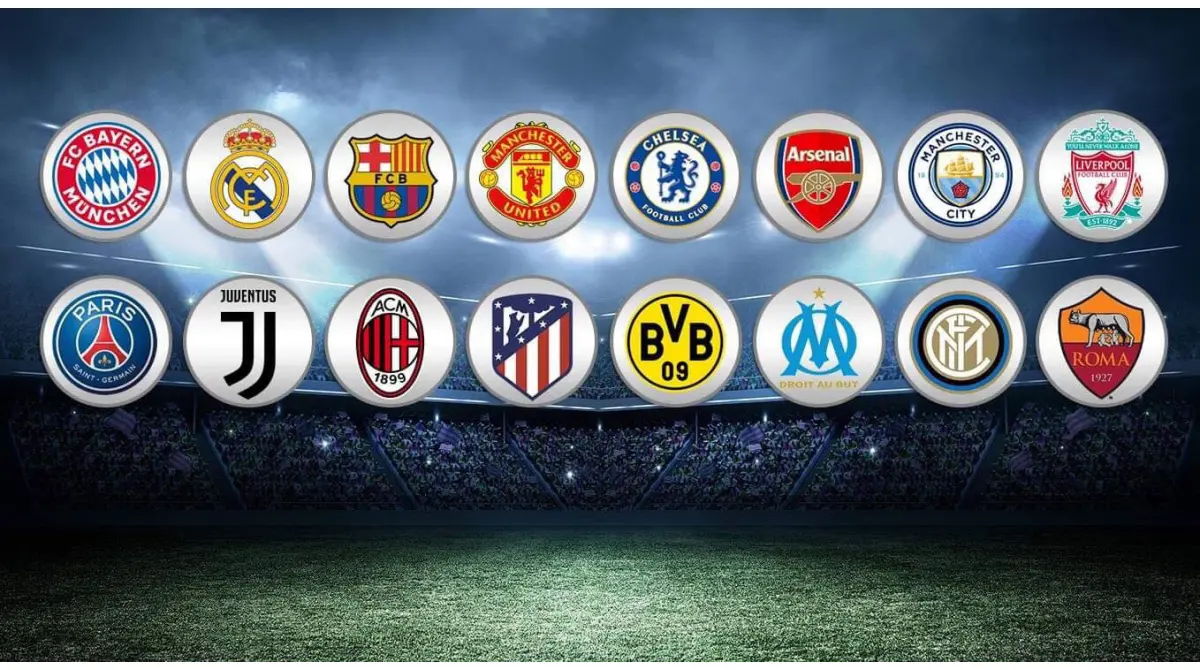
A New Chapter in Football?
In the world of sports, few concepts evoke as much passion and controversy as the term ‘superleague.’ The idea of creating an exclusive league featuring the world’s top football clubs has taken center stage, igniting both excitement and backlash among fans, players, and governing bodies alike.
The Allure of Exclusivity
The superleague promises a new level of competition, attracting the best talent and providing fans with thrilling matchups they rarely see. With clubs like Real Madrid, Barcelona, Juventus, and Manchester United on the potential roster, the proposal sounds like every fan’s dream. As one enthusiastic football supporter from London remarked, “A superleague would mean we could watch the best teams in the world face off more often. Who wouldn’t want that?”
Backlash from Fans and Authorities
However, this proposal has not come without its share of critics. The backlash was immediate upon its initial announcement in 2021, with widespread protests from fans who argue that a superleague undermines the essence of local football culture. Historic rivalries, passionate grassroots support, and the meritocratic nature of league promotions and relegations are all at risk of disappearing in favor of a closed, elite competition. According to a survey conducted by Sports Fan Insights, 72% of fans believe that a superleague would diminish their enjoyment of domestic competitions, indicating a high level of public dissent.
The Role of Social Media and Influence
The reaction on social media has also fueled the superleague debate. Hashtags like #Superleague and #FootballForTheFans trended worldwide, amplifying voices in opposition to the league. Fans across Twitter and Instagram expressed their feelings with memes, polls, and passionate commentary, turning a business initiative into a public relations nightmare for its proponents. The sentiment echoes a growing trend: that the modern audience seeks authenticity and connection with their teams, often seeing corporate endeavors as a threat to that cherished bond.
The Future of Competitive Football
As discussions about the superleague continue, one question looms: what will be the long-term effects on competitive football as we know it? Advocates argue that greater financial resources would lead to improved player development, but skeptics worry that it would further solidify the already significant gap between elite teams and smaller clubs. The fear is that, instead of fostering genuine competition, the superleague could entrench the dominance of a select few.
Looking Ahead
The superleague is not just a fleeting proposal; it is a reflection of the anxieties and aspirations of contemporary football. As the global game continues to evolve, both the excitement and concerns over a superleague underscore a crucial debate about the future of the sport. Will it usher in a bold new era of innovation and growth, or will it serve as a stark reminder of the growing divide between the rich and the poor in football? As the governing bodies, clubs, and fans prepare for what lies ahead, one thing is certain: the conversation about the superleague is just getting started.