A Cinematic Journey Through Fate and Fear
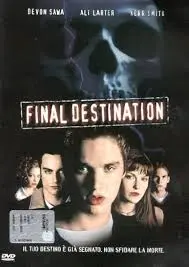
The “Final Destination” franchise, launched in 2000, has firmly planted itself in the collective consciousness of horror enthusiasts around the globe. Known for its innovative narrative centered around the theme of death and fate, the series has spawned five sequels and has become emblematic of a unique sub-genre of supernatural thrillers.
How ‘Final Destination’ Redefined Horror
Unlike traditional horror films that often rely on masking the killer or focusing on a single antagonist, “Final Destination” flips the script by presenting death itself as the inevitable antagonist. This fresh approach struck a chord with audiences. The opening scene of the first film, which depicts a group of high school students narrowly escaping a plane crash, sets the tone for the rest of the series—where every character’s survival becomes a race against fate. As Dr. Linda Hargrove, a cultural critic at Arcadia University, summarizes: “The brilliance of ‘Final Destination’ lies in its exploration of our worst fears; it’s not just the fear of death but the unpredictability of life itself that keeps us on the edge of our seats.”
Aesthetic Appeal and Cultural Context
The franchise’s aesthetic choices also play a crucial role in its success. The meticulously crafted death scenes, often showcasing elaborate and unforeseen accidents, have become iconic. These sequences—meteors crashing, roller coaster malfunctions, and other life-threatening situations—serve as modern-day morality tales, warning audiences of the fragile nature of existence. Each film taps into contemporary fears, resonating with societal anxieties, particularly around safety in public spaces.
In recent months, with the rise of discussions around public safety in a post-pandemic world, social media sentiment indicates a renewed interest in the franchise. Tweets such as, “Can we talk about how ‘Final Destination’ predicted our current fears of public transportation?” have exploded, showcasing how the franchise still reflects societal concerns.
Box Office Success and Future Prospects
The commercial success of the “Final Destination” series cannot be understated. With a combined box office revenue exceeding $700 million, these films have proven that audiences are eager to confront their fears through fiction. The fanbase remains robust, with online communities actively seeking potential clues about a sixth installment.
Recent trends suggest that a sequel is indeed in the pipeline, with rumors swirling about a new direction for the series that may incorporate elements of augmented reality to deepen the viewer experience. If realized, this could position “Final Destination” as a pioneer in how horror films engage with technology.
The End of One Journey, The Beginning of Another
With its exploration of fate, fear, and the human condition, the “Final Destination” series has transcended the realm of horror cinema to become a cultural touchstone, provoking thought about our own mortality. As the franchise looks toward an uncertain and exciting future, one thing remains clear: though the journey of life may be unpredictable, the legacy of “Final Destination” will continue to captivate and terrify audiences for years to come.