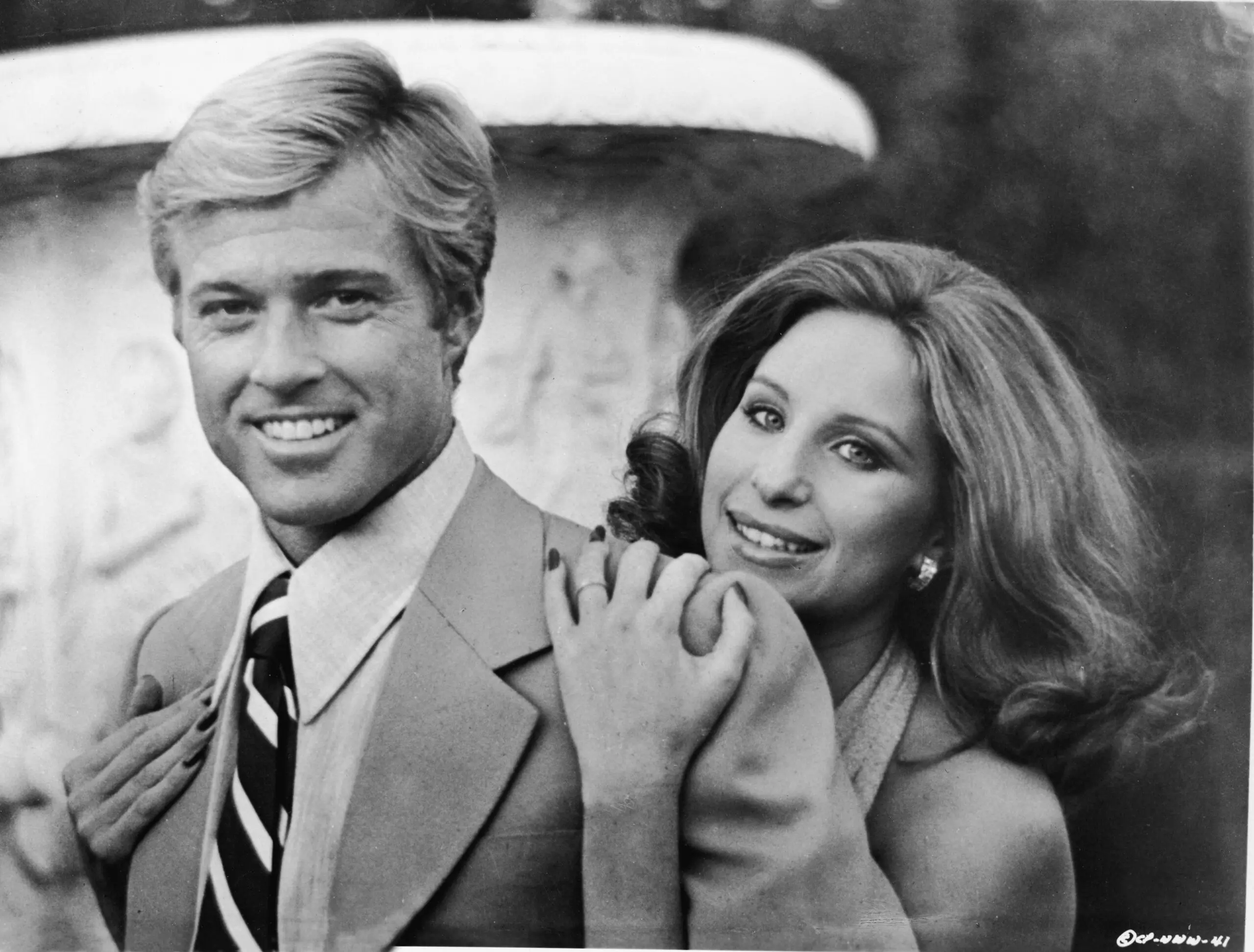
The Golden Era of Cinema
In the golden age of Hollywood, few stars have captured the hearts of audiences as profoundly as Robert Redford. Known for his iconic roles in films such as ‘Butch Cassidy and the Sundance Kid’ and ‘The Way We Were,’ Redford’s contribution to cinema extends beyond his on-screen performances; it encapsulates the spirit of an era marked by social change and artistic exploration. As viewers today revisit his body of work, it’s startling to reflect on how these films have shaped modern storytelling.
A New Wave of Storytelling
In the late 20th century, Robert Redford was at the forefront of a new wave of storytelling that prioritized character depth and socio-political themes. Movies like ‘All the President’s Men’ highlighted the importance of investigative journalism during a time when trust in the government was at an all-time low. Redford’s portrayal of Bob Woodward not only entertained but also inspired a generation of journalists to seek the truth, reinforcing the essential role of the press in democracy. “His performances remind us that movies can be both entertaining and thought-provoking,” says film critic Elaine Ramirez. “Redford’s films raise hard questions while captivating our imagination.”
Environmental Advocacy and Independent Film
Moreover, Redford has made significant strides outside of acting, particularly in environmental advocacy. As a founding member of the Sundance Institute, he has promoted independent film and outdoor conservation. His 2013 film, ‘All Is Lost,’ is a metaphor for survival and resilience, echoing his passion for nature’s preservation. The festival he established—a platform for emerging independent filmmakers—reflects his belief in the power of storytelling as a means to affect societal change. According to a recent survey, over 70% of participants feel that films can influence their views on environmental issues, demonstrating how Redford’s work continues to resonate.
Social Media Sentiment and Public Reaction
With the advent of social media, fans of Redford have taken to platforms like Twitter and Instagram to voice their admiration for his films. Hashtags like #RedfordRewind have surged in popularity, with users sharing clips and discussing the relevance of his work in today’s context. Posts showcasing memorable quotes from his movies often garner thousands of likes, serving as a reminder of his impact. One user tweeted, “Rewatching ‘The Horse Whisperer’ felt so cathartic. Redford knows how to tap into the human experience like no one else.”
A Look to the Future
As we explore the catalog of Robert Redford movies, it becomes clear that his influence will persist into the future. With discussions surrounding climate change, political transparency, and social justice ever-present in current cinema, the themes embedded in Redford’s films remain relevant. New filmmakers are inspired not just by his acting but by his commitment to storytelling with a purpose, resulting in a renaissance of socially conscious cinema.
Ultimately, Robert Redford movies are more than just a collection of films; they are a reflection of an evolving society grappling with its own identity. As cinema progresses, the legacy and lessons of Redford will continue to inspire both audiences and filmmakers alike, ensuring that the conversation surrounding morality, justice, and resilience will carry forward into the next generation of cinematic voices.