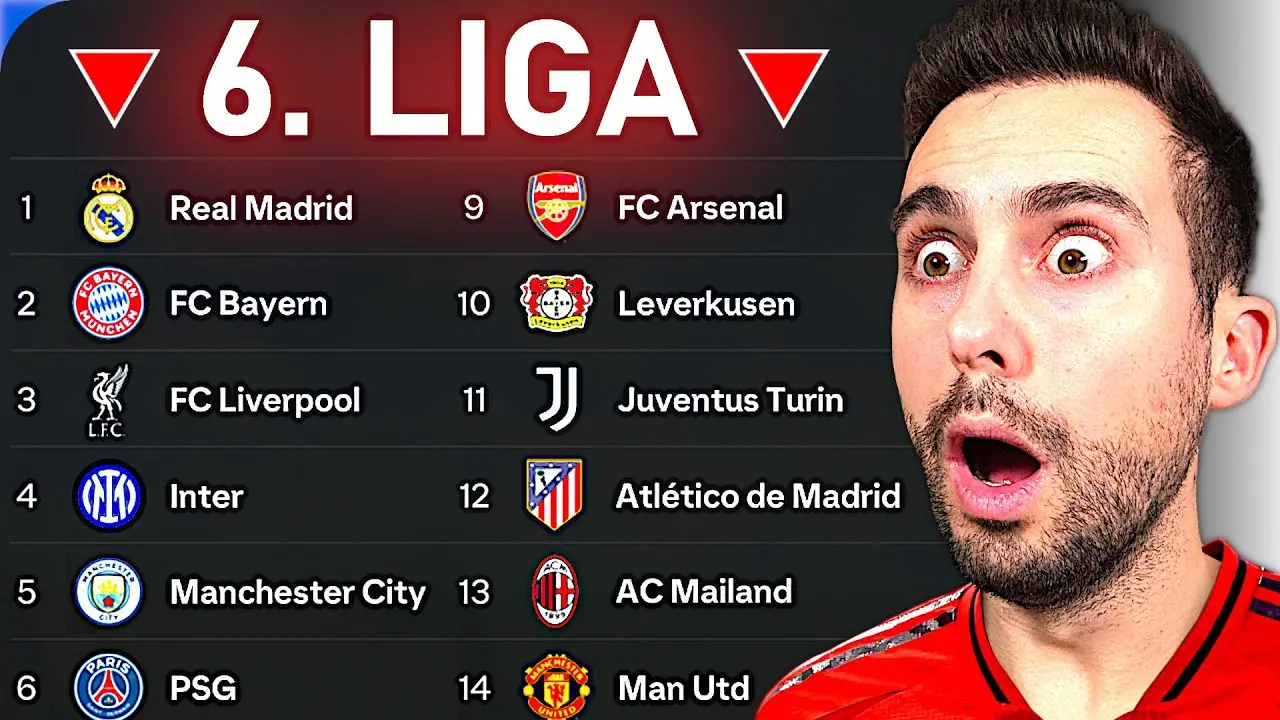
Superleague Proposal Sparks Fury and Excitement
In a bold move that sent shockwaves through the world of football, major European clubs have proposed a new tournament dubbed the “Superleague.” While it promises an exhilarating format featuring the richest and most popular teams, the reaction from fans, players, and governing bodies has been overwhelmingly mixed.
What Is the Superleague?
Initially announced as a breakaway league designed to feature elite clubs in a non-promotion format, the Superleague aims to create annual matches that captivate global audiences. With clubs like Real Madrid, Manchester United, and Juventus reportedly at the helm, the Superleague is poised to attract significant television and sponsorship revenue through its array of top-tier matchups.
Public Reaction and Backlash
While the prospect of watching football giants face off regularly excited many supporters, the proposed Superleague has elicited anger from others. On social media platforms, hashtags like #Superleague and #NoSuperleague have divided fans. Many expressed concern that the league’s format would undermine domestic competitions and strip away the historic nature of promotion and relegation.
“Football should be about competition, not a closed shop for the richest clubs,” said one passionate fan during a public rally against the Superleague in London.
The Response from Football Authorities
The response from UEFA and national leagues was swift and severe. UEFA President Aleksander Čeferin warned that any player or club opting into the Superleague could face expulsion from existing competitions, including national leagues and the UEFA Champions League. He called the proposal “a betrayal of the sport.”
Global Economic Impact
Aside from the emotional stakes, the Superleague could signal significant economic implications. The existing football ecosystem, which generates billions from broadcasting rights and matchday revenues, could struggle if clubs prioritize a Superleague over their historical affiliations. According to recent statistics from PwC, the global sports market is expected to reach over $600 billion by 2025, raising questions about how the Superleague could fit into this expanding industry.
The Road Ahead
With widespread protests and strong opposition from fans and governing football bodies, the future of the Superleague remains uncertain. Advocates argue that a new format is essential for the evolution and sustainability of professional football, while critics see it as a threat to the sport’s integrity. As plans unfold, one thing is certain: the conversation surrounding European football is more heated than ever.