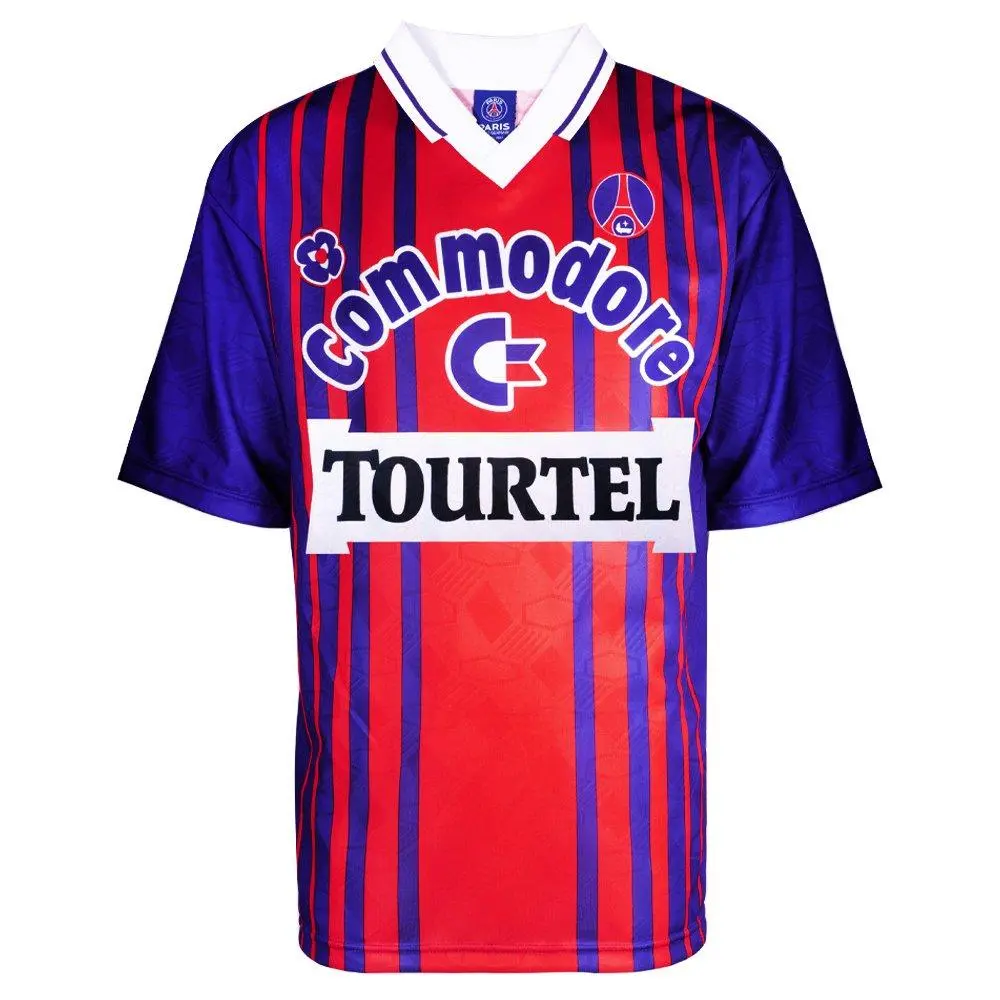
Beyond the Pitch: The Impact of PSG
Paris Saint-Germain, widely known as PSG, is more than just a football club—it’s a cultural phenomenon that has transcended the boundaries of sports. With its blend of star-studded players, rich history, and loyal fan base, PSG has become a significant player in the global football landscape. However, the club’s influence extends far beyond the goals scored or matches won.
Community Engagement: A New Wave of Connection
In the last few years, PSG has intensified its efforts to engage with the community. Initiatives such as educational programs in local schools, football clinics for underprivileged youth, and partnerships with social organizations illustrate the club’s dedication to making a positive impact. This commitment has not gone unnoticed; PSG is emerging as a role model for other clubs globally.
“We want to be a force for good in our community,” explains Pierre Dupont, PSG’s community outreach director. “Football has the power to unite people and foster connections. At PSG, we believe in using that power to uplift those around us.”
The Global Brand and Cultural Influence
PSG’s appeal isn’t confined to France. The club has a robust global following, with fans from every corner of the world. Statistics from the club indicate a social media following exceeding 60 million across various platforms, a testament to its international allure. The club’s consistent success in the French Ligue 1, along with high-profile signings like Neymar and Lionel Messi, has solidified its status as a mainstream sporting brand.
This surge in popularity has also sparked conversations about fan culture. PSG’s supporters, known for their passionate displays at matches, have created a unique identity for the club. Observers note that the atmosphere inside the Parc des Princes during games is infectious, embodying the spirit of unity that football represents.
Challenges and Criticism
However, the rapid rise of PSG has not been without its challenges. The club has faced scrutiny over financial practices and accusations of ‘buying success’ through lavish spending. Critics argue that this approach undermines the competitive spirit that football embodies. Nevertheless, PSG’s management defends its strategy as a means to boost both club prestige and the French league’s profile.
A Vision for the Future
Looking ahead, PSG is poised to continue its journey of influencing football both on and off the pitch. With plans for further expansion in international markets and a focus on sustainability and ethical practices, the club is navigating the complexities of modern sports culture. As they embark on new initiatives to foster inclusivity and local pride, the broader impact of PSG on the global community will only expand.
As football evolves, clubs like PSG will play a pivotal role in shaping its future, reminding us that the game is not just about what happens on the field, but also about the connections formed in its wake.