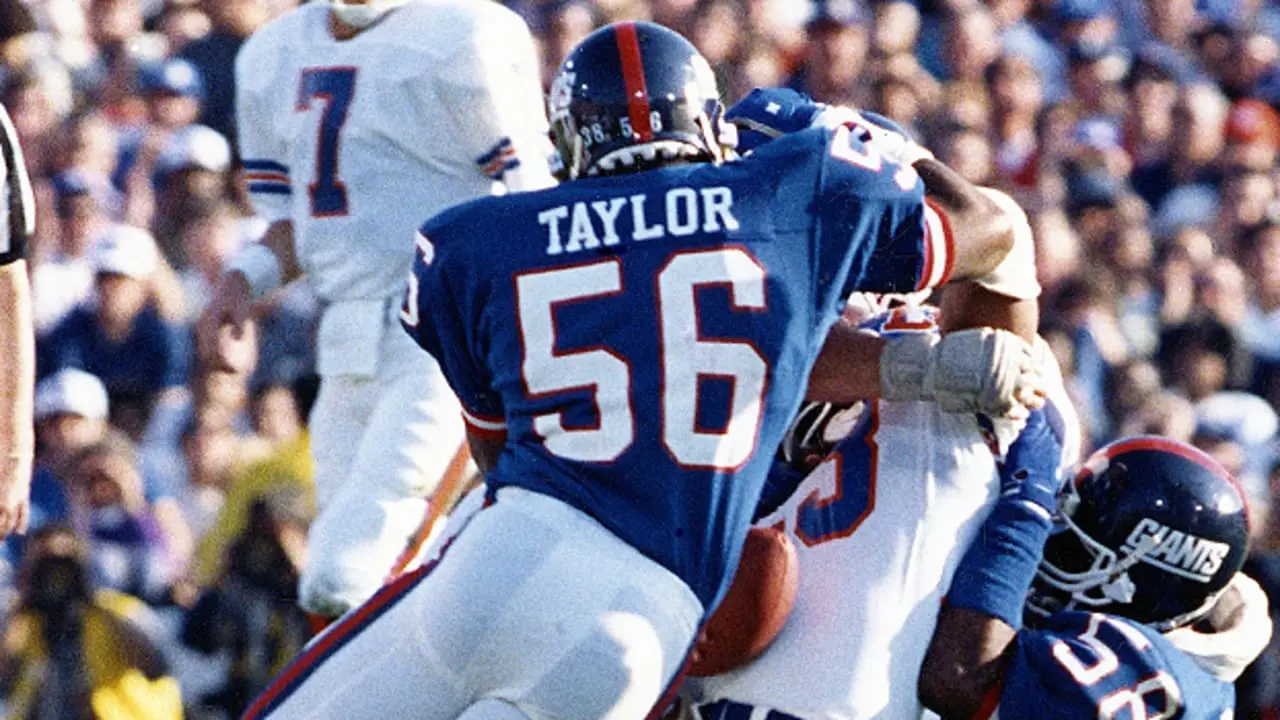
Addressing Player Safety in the NFL
As the NFL embarks on another season, it faces one of the most crucial challenges in its history: player safety. In a league where the risks of physical confrontation are as integral as the thrill of the game, recent legislative efforts have made it clear that prioritizing athletes’ well-being is no longer optional. This year, the NFL introduced a series of new rules designed to minimize injuries, particularly focusing on head trauma, a topic that has been at the forefront of discussions surrounding the sport.
A Glimpse into the New Rules
The latest guidelines include stricter penalties for helmet-to-helmet contact and a renewed emphasis on concussion protocols. This reflects an evolution in the NFL’s approach, shifting from a seemingly carefree attitude towards physical injuries to a dedicated campaign for rehabilitation and recovery. Michael Lewis, an NFL safety for over a decade, commented on this transformation: “When I played, we didn’t talk about concussions; we just played through the pain. Now, it’s a different landscape—players have a voice, and that voice is advocating for long-term health.”
Public Reaction and Social Media Sentiment
The public’s response to the NFL’s new safety measures has been overwhelmingly positive. As fans become more media-savvy, many are expressing their support for these changes. Social media platforms have been buzzing with hashtags like #PlayerSafetyFirst, showcasing a robust dialogue among fans, former players, and health professionals alike. Recent surveys indicate that 78% of fans endorse the NFL’s initiatives toward player safety, viewing it as a critical step in preserving the integrity of the game.
Implications for the Future of the NFL
The implications of these new rules extend beyond just player safety—they could reshape the very fabric of how NFL games are played. By enforcing stricter penalties, the league effectively discourages aggressive plays that could lead to serious injuries. This shift could encourage teams to modify their coaching strategies and rethink player training techniques to prioritize skill over brute force.
Furthermore, as player health becomes more central, the dynamics of team ownership and management may also change. Franchise values are closely linked to player performance on the field, and teams may face questions about their long-term viability if they do not prioritize safer practices. The new measures not only foster accountability; they also set a precedent that future players can benefit from enhanced protections.
A Game Worth Watching
As the NFL continues down this path of transformation, fans will be keenly watching to see how these changes unfold in the context of the upcoming season. Will teams adapt swiftly and adopt these rules in spirit? Can this renewed focus on player safety mitigate the pervasive concerns of brain injuries in contact sports? Only time will tell, but there’s no doubt that the latest developments mark a significant turning point for the NFL, suggesting that the league is finally ready to put its players’ health ahead of its lucrative profits.