Understanding the Tremors Beyond the Seismograph
When the ground shakes beneath our feet, it can lead to devastation—and not just in the physical sense. The recent earthquakes in various parts of the world have highlighted a troubling truth: the tremors felt by communities extend far beyond the initial shock. Families are torn apart, livelihoods are disrupted, and a sense of security is shattered, long after the Earth has settled and quieted.
The Personal Toll
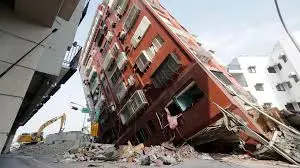
A recent earthquake in the heart of Turkey has left survivors grappling with loss and uncertainty. Among them is Zehra Yilmaz, a mother of two who found herself staring at the ruins of her home just moments after the quake struck. “I thought our lives were normal, but normal now feels like a distant memory,” she shared, her eyes mirroring the pain of many others. “Our community is in shock, but together, we hope to rebuild.”
Rising Statistics and Fading Memories
The statistics paint a grim picture. In Turkey alone, recent reports estimated that over 20,000 buildings were either damaged or completely destroyed, leaving thousands without shelter. According to the European-Mediterranean Seismological Centre, the 6.7 magnitude quake was felt as far away as Greece. Social media platforms buzzed with reactions as people shared their own experiences, a web of empathy formed through the screens that connected them.
Community Resilience and Support
However, it’s not just the ruined structures that tell the story of an earthquake’s impact; it’s also about the resilience of the people who remain. Charitable organizations have sprung into action, working diligently to provide food, water, and medical assistance to those in need.
In the immediate aftermath, local volunteers have come together to offer aid. Small community groups have sprung up on social media—groups like “Together for Turkey” now serve as hubs for those looking to donate essentials or provide temporary shelter. “We might not have much, but we have each other,” one volunteer said, emphasizing the profound sense of unity that often arises during crises. “Every bottle of water, every blanket counts.”
Looking Ahead: Healing and Rebuilding
The road to recovery is long and fraught with challenges. The psychological impact can linger, sometimes manifesting in conditions like PTSD among those directly affected by the disaster. “It’s not just the buildings that are broken; lives are too,” says Dr. Elif Taner, a clinical psychologist working in disaster zones. “Addressing mental health is as crucial as rebuilding homes.”
However, throughout history, communities that undergo such trauma often emerge stronger. In places like Japan, which has faced myriad earthquakes, the focus on community drills and building codes has not only made them more physically resilient but has also fostered a culture of preparedness and collective responsibility.
Conclusion: The Unbreakable Spirit of Humanity
As the dust settles and recovery begins, it’s vital to remember that earthquakes shake more than just the ground; they rock the very foundations of human connection. Each story of survival and community support helps weave a tapestry of resilience that can inspire change and hope. Though the tremors may eventually fade, the human spirit remains unshaken.