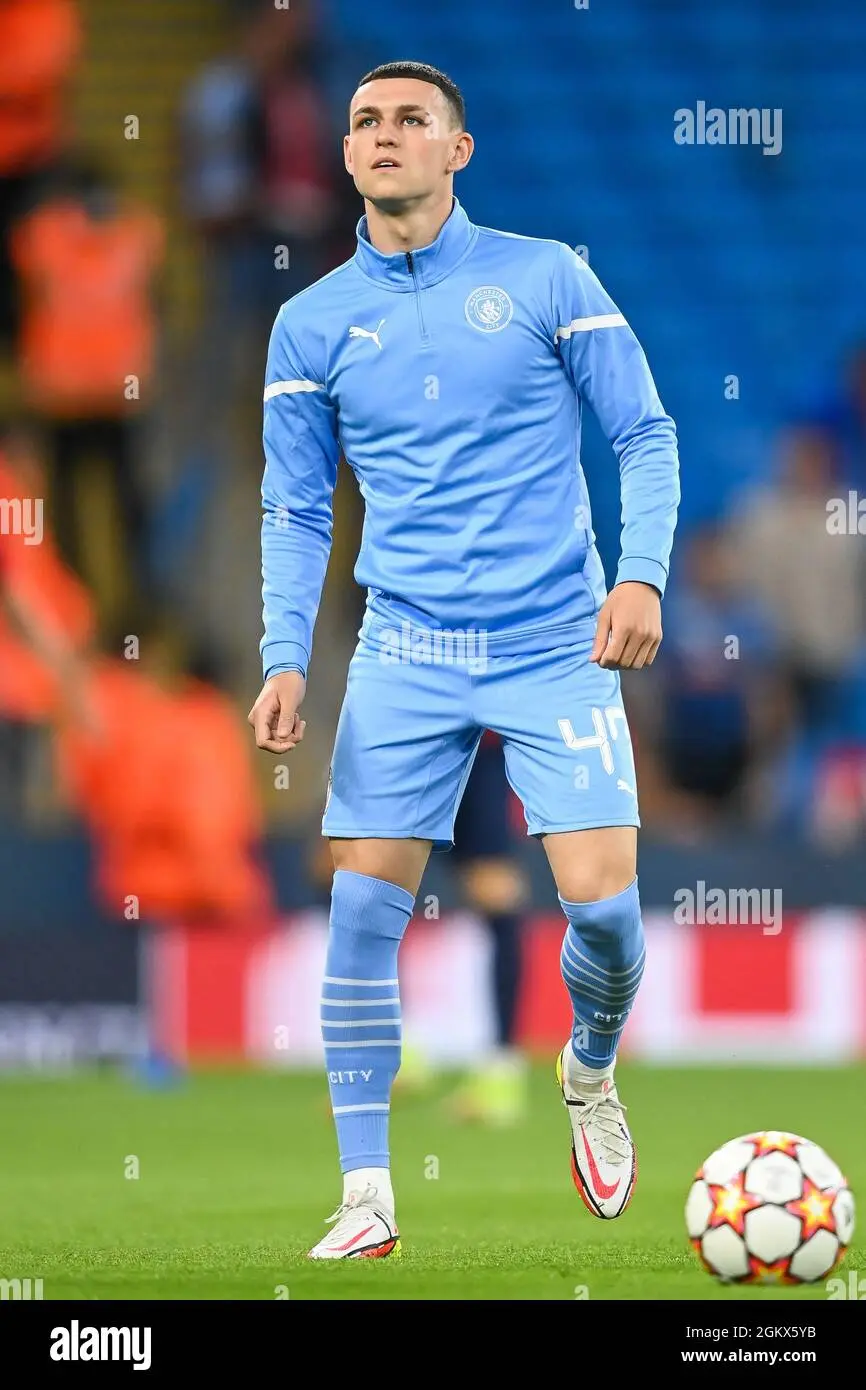
Manchester City: More Than Just a Football Club
In the world of football, very few stories are as compelling as that of Manchester City. Once overshadowed by their more illustrious neighbors at Manchester United, Man City has transformed itself into a global powerhouse, dominating the English Premier League and making significant inroads on the European stage. This rise has not only changed the narrative of Manchester football but has set a new standard for clubs worldwide.
The Investment that Changed Everything
The turning point for Man City came in 2008 when the club was purchased by the Abu Dhabi United Group. This influx of investment offered unprecedented resources, allowing for marquee player signings and the hiring of elite managerial talent. In the decade that followed, the club’s fortunes changed dramatically.
As of October 2023, Man City boasts a remarkable record, having won five Premier League titles in the last six years. Their playing style, characterized by fluid passing and tactical versatility, has turned them into a favorite not only among supporters but also neutral fans. Manager Pep Guardiola has been instrumental in this transformation, employing innovative tactics that have often left opponents scrambling.
Community Impact and Global Reach
However, Man City’s success extends beyond the pitch. The club has been vocal about its commitment to community work, emphasizing social responsibility. Initiatives aimed at youth engagement and education within Manchester have won them praise. As one local resident noted, “Man City isn’t just building a team for trophies; they’re building a legacy for the community.”
On the global stage, the club has capitalized on its achievements to expand its brand, engaging fans worldwide through digital platforms and merchandise sales. This strategy has paid dividends, with reported revenues exceeding €600 million for the last financial year, illustrating just how far the club has come.
Challenges Ahead: Sustainability and Competition
Despite their meteoric rise, challenges loom large for Man City. The pressure to maintain such high standards is immense, with fierce competition from clubs like Liverpool and Chelsea, who also have substantial financial backing. Moreover, UEFA regulations aim to enforce Financial Fair Play, ensuring sustainable growth across clubs in Europe.
Moreover, the rise of talented young clubs such as Newcastle, now backed by strong owners, means that the landscape of English football is continuously evolving. Man City’s dominance could face scrutiny if they fail to adapt amid increasing pressure from both established and emerging clubs.
A Glimpse into the Future
The trajectory of Manchester City continues to capture the imagination of football fans, making headlines week after week. With players like Erling Haaland and Phil Foden leading the charge, it is clear that the ambitions are set even higher. For many supporters, every match feels like an opportunity for the club to etch its name further into the annals of football history.
As the rollercoaster ride of seasons unfolds, one thing is for sure: Manchester City’s story is far from over, and they are poised to redefine not only what it takes to succeed in football but also how clubs can engage with their communities and global fanbases in meaningful ways.