A Brighter Path for European Justice
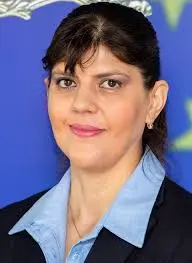
As Europe grapples with a growing tide of corruption, one name stands out as a beacon of hope: Laura Kovesi. The Chief Prosecutor of the European Public Prosecutor’s Office (EPPO) has made headlines for her unwavering commitment to holding corrupt officials accountable. With the support of various member states and the European Union, Kovesi has been tasked with a monumental challenge—tackling fraud and misconduct at a continental level.
The Weight of Responsibility
Since Kovesi assumed her role in 2020, she has faced a Herculean task—investigating and prosecuting offenses that fall under the jurisdiction of the EPPO, which include corruption, fraud affecting the EU budget, and serious cross-border crimes. A 2023 report highlighted a staggering 35% increase in fraud cases reported in EU member states, underscoring the urgent need for a robust response. Kovesi notes, “Every investigation has the potential to influence public trust in governance. We cannot afford to fail.”
Public Sentiment: Support and Skepticism
The public reaction to Kovesi’s leadership has been largely supportive. Many citizens across Europe view her efforts as a necessary step towards restoring faith in the EU’s institutions. However, skepticism remains. Critics argue that despite Kovesi’s ambitious plans, the bureaucratic hurdles and differing legal systems among member states could impede her effectiveness. Social media sentiment reflects this ambivalence, with hashtags like #SupportKovesi gaining traction amid calls for greater accountability and transparency in governance.
The Stakes Involved
As Kovesi intensifies her fight against corruption, the stakes have never been higher. With ongoing investigations into high-profile corruption cases linked to EU funds and the far-reaching implications for national governments, Kovesi’s office has emerged as a focal point for those demanding change. Recent critiques of various EU nations, particularly relating to the allocation of COVID-19 recovery funds, have intensified the spotlight on her work and the needed reforms in bureaucratic transparency.
What Lies Ahead
Looking forward, many analysts believe that Kovesi’s role will continuously evolve as she adapts to emerging challenges in the landscape of European governance. If she successfully navigates these complexities, it could not only lead to significant prosecutions but also inspire similar movements against corruption on a global scale. Experts speculate that Kovesi may become a model for anti-corruption efforts beyond Europe, showcasing how a dedicated approach can foster a culture of accountability.
Conclusion: A Crucial Turning Point
In the fight against corruption, Laura Kovesi stands at a crucial turning point for European governance. Her determination and strategies could set new precedents for transparency and justice. As citizens demand accountability and the rule of law, Kovesi’s work may define the terms of engagement for future leaders and institutions within the EU. While challenges abound, her resolve illustrates that meaningful change is possible, reminding everyone that the fight against corruption is a collective responsibility.