The Pulse of Spanish Football
La Liga has long been more than just a football league; it is a cultural phenomenon that transcends sport. As Spain’s top professional football division, La Liga not only showcases some of the best footballing talent on the planet, but it also serves as an integral part of the nation’s identity and pride. With clubs like FC Barcelona and Real Madrid leading the pack, the league has attracted a worldwide following, becoming synonymous with passion, culture, and tradition.
A Historical Overview
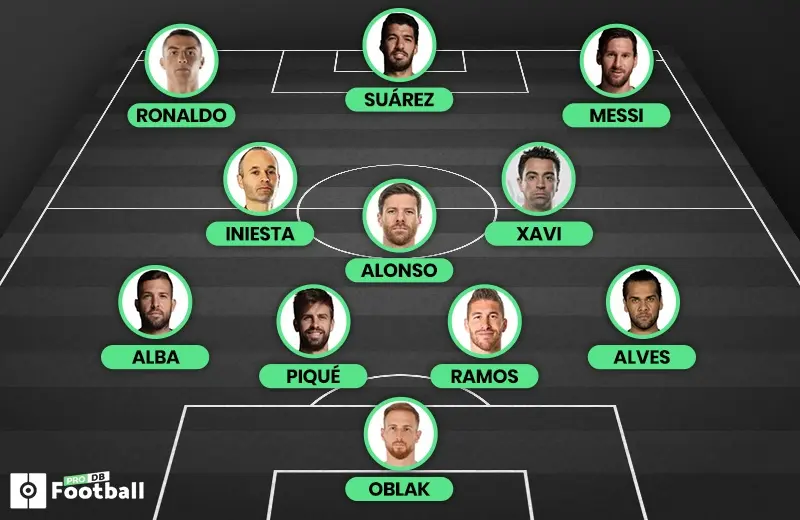
Founded in 1929, La Liga has evolved into a powerhouse of football, boasting a rich history filled with legendary players, mesmerizing matches, and unforgettable moments. Over the decades, the league has produced footballing greats such as Alfredo Di Stéfano, Lionel Messi, and Cristiano Ronaldo, each leaving an indelible mark on the sport.
The intense rivalry between Barcelona and Madrid, known as El Clásico, captures the imagination of millions each year. This clash is more than just a game; it represents historical and social tensions and is a focal point of national pride. “The atmosphere during El Clásico is unlike anything else in the world. You can feel the weight of history in the air,” said football historian Manuel Rodríguez.
The Current Landscape
As of the 2023 season, La Liga continues to be competitive, with several clubs vying for the title. Real Madrid currently sits at the top of the standings, followed closely by a resurgence in Atlético Madrid, and a steadily improving Barcelona side that is finding its groove after recent struggles. Recent matches have shown how tactical evolution is playing a pivotal role in determining outcomes, with managers adjusting their strategies to counter fierce competition.
Statistically, La Liga remains one of the highest-scoring leagues in Europe, with the average match featuring around 3.4 goals, rivalling other major leagues like the Premier League and Serie A. Fans on social media have been expressing their excitement, with hashtags like #LaLigaFever and #ElClasico trending worldwide every week. Posts filled with match highlights, player accolades, and tactical breakdowns dominate platforms such as Twitter and Instagram, showcasing the engaged and passionate fan base.
The Cultural Impact
Beyond the pitch, La Liga plays an essential role in the sociopolitical landscape of Spain. The league often intersects with discussions around regional identity, particularly for clubs like Barcelona, which proudly champions Catalonian culture. This dynamic often stirs debates about nationalism and regional independence, making La Liga a microcosm of Spanish society.
Social media sentiment around these issues reflects a deep connection fans have with their clubs, which act not only as sporting institutions but as vehicles for expression and community. Posts and comments frequently highlight both the political and cultural significance of matches, often drawing parallels between sport and social issues.
Looking Ahead
As La Liga moves forward, the competition is poised to face challenges, particularly with the increasing financial investment from foreign leagues. However, the league’s focus on youth development, coupled with a commitment to maintaining its rich footballing heritage, positions it well for the future.
With fans here and abroad yearning for the next chapter, the essence of La Liga as a cultural cornerstone of Spain is sure to endure. While the current landscape is turbulent, the flames of excitement and passion for Spanish football remain unwavering, promising a thrilling ride for dedicated fans and casual viewers alike.