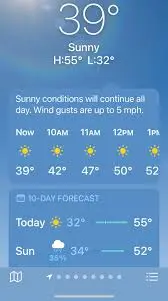
The Unpredictable Dance of Nature
In recent years, Greece has become a site of extreme weather variations, oscillating between scorching summer heat and unpredictable winter storms. From farmers battling drought to tourists grappling with unexpected rain, the weather has emerged as a formidable force shaping the Mediterranean nation. Understanding the nuances of these weather patterns and their impacts can provide valuable insights into daily life in Greece.
Climate Change: A Growing Concern
Statistics show that average temperatures in Greece have risen by nearly 1.5 degrees Celsius in the past decade. This trend correlates with a 15% increase in extreme weather events, such as sudden downpours and prolonged heatwaves. According to Dr. Maria Nikolaou, a climatologist at the University of Athens, “The ongoing climatic changes are making traditional weather patterns increasingly harder to predict, leading many sectors to rethink their strategies.”
Agriculture: A Double-Edged Sword
For Greek farmers, weather conditions are the lifeblood of their crops. Variability in rainfall can transform a thriving olive harvest into a struggle against drought. Tsirkos, a local olive farmer from Crete, shared, “This year, the grapes bloomed early due to a warm winter, but now we face the risk of a late frost that could ruin the entire yield.” The unpredictable nature of weather not only disrupts the agricultural cycle but also affects the economy, as agriculture constitutes a significant part of Greece’s GDP.
Tourism: A Fine Balance
Tourism is another pillar of the Greek economy that is significantly impacted by weather fluctuations. The pristine beaches and sunny skies attract millions of international visitors each year. However, recent reports following erratic weather patterns suggest a decline in tourism during previously popular months. A survey conducted by the Greek Tourism Confederation indicated that 30% of potential visitors cited concerns over unpredictable weather as a reason for choosing alternative destinations.
Public Sentiment and Adaptation
With social media buzzing with posts tagged #WeatherGreece, many citizens are sharing their frustrations and experiences with rapidly changing weather conditions. A recent Twitter poll reflected that 65% of respondents feel the weather has become less predictable over the past few years. Amidst these challenges, communities are adapting; farmers are investing in drought-resistant crops while local retailers stock up on rain gear in anticipation of sudden storms.
Looking to the Future
As Greece continues to confront the repercussions of erratic weather patterns exacerbated by climate change, it remains vital for policymakers to devise actionable strategies. Investments in sustainable agricultural practices and better forecasting systems could be the key to mitigating these impacts. With a collaborative effort between the government, scientists, and local communities, Greece can aspire to navigate the complexities of its weather challenges and emerge more resilient.