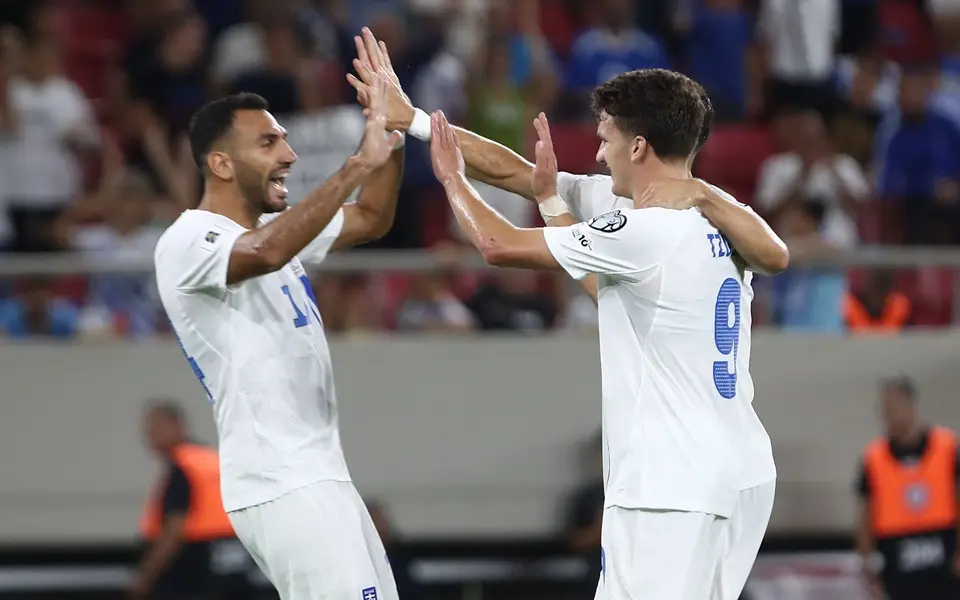
Breaking Down the Match
The upcoming football match between Greece and Belarus is set to unfold with more than just national pride at stake. On the surface, it’s a typical qualifier game in the UEFA Nations League, but the undercurrents of political tension and cultural differences add a complex layer to the event. It’s not just about who scores the most goals; it’s about showcasing resilience, unity, and identity in the face of adversity.
Political Context
Belarus, often seen through the lens of its controversial leadership and political strife, has become a focal point of discussion in global arenas. The nation has been grappling with international disapproval due to President Alexander Lukashenko’s authoritarian regime, which has faced numerous accusations of human rights abuses. In contrast, Greece, with its deep-rooted democracy and EU membership, symbolizes a different political ethos.
In the words of local commentator Maria Papadopoulou, “The match is more than just a game; it’s a reflection of the stark contrasts between two nations, illustrating what happens when democratic values clash with despotism.”
Public Sentiment
As the match day approaches, social media has erupted with diverse sentiments. Greek fans express not just enthusiasm for the game but also solidarity with Belarusians fighting for democratic change. A recent poll conducted by the Greek Institute of Public Opinion revealed that 73% of respondents view this game as an opportunity to support Belarusian activists: “We’re cheering not solely for our team but for the principles of democracy and freedom,” one fan tweeted. Meanwhile, Belarusian supporters have taken to platforms like Telegram to share their hopes, emphasizing that sports can serve as a bridge even amidst political strife.
The Match Impact Beyond Sports
The implications of Greece vs Belarus extend into the realm of diplomacy and international relations. Sporting events have historically united nations, allowing them to put aside differences and embrace shared humanity. Given the current political climate, this match could provide a rare occasion for unity, creating dialogue among individuals on both sides who may hold opposing views politically but share a common love for football.
Looking Ahead
The outcome of the game may influence public perception in both nations and reignite discussions on international relations, particularly regarding how sporting events can be leveraged in diplomatic discourse. Should the game enhance awareness or solidarity around democracy in Belarus, it could subtly shift the narrative that often overshadows the nation’s cultural achievements.
In the End, It’s About More
As football fans gear up for Greece vs Belarus, what might be perceived as a mere match is actually a canvas that paints broader societal narratives. Each goal scored could resonate beyond the stadium, echoing political sentiments, and fostering connections between fans of both nations. In this unique intersection of sport and politics, perhaps we can glean lessons about resilience and the human spirit that transcend borders and ideologies.