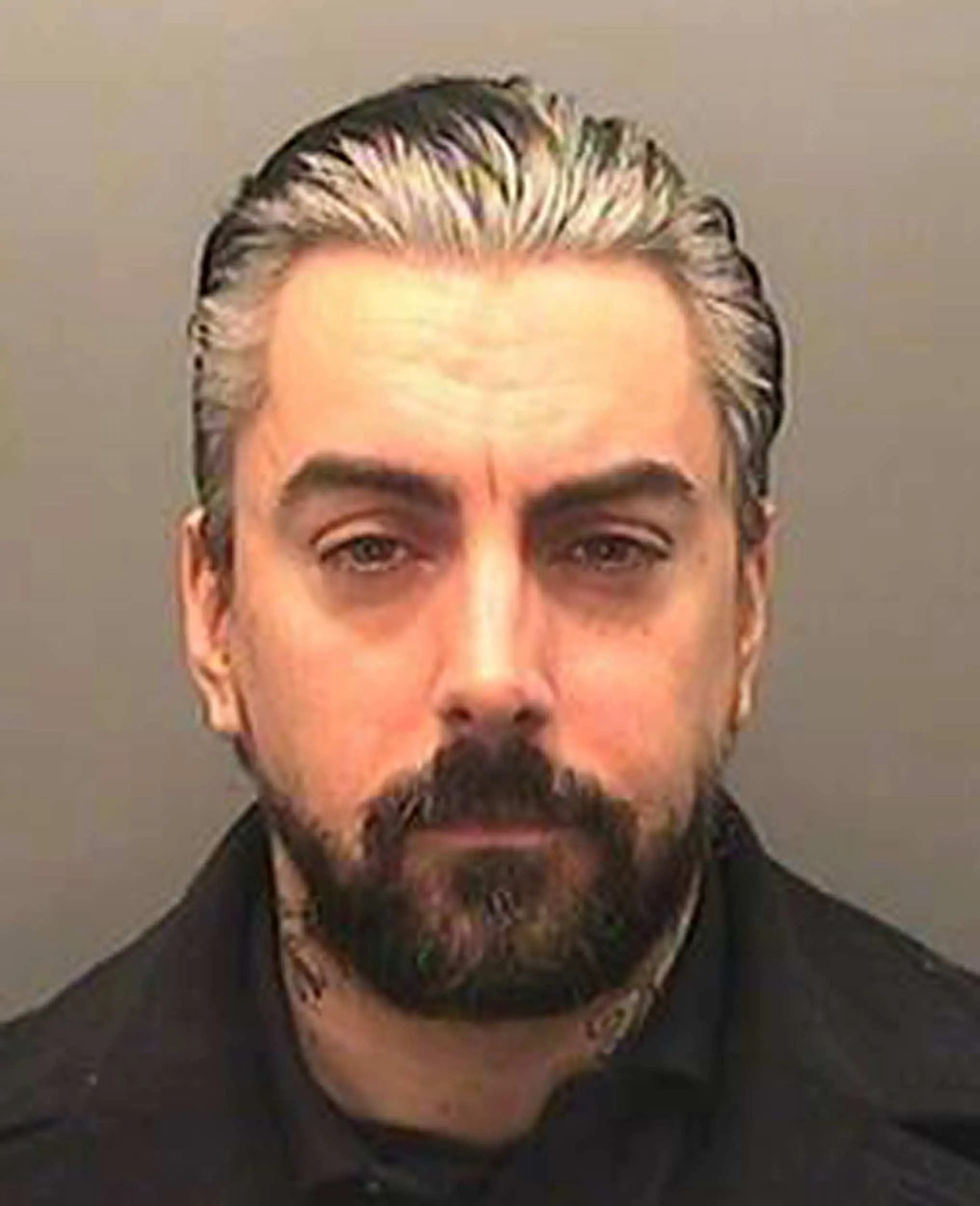
The Rise and Fall of a Musical Icon
Once a celebrated lead singer of the Welsh rock band Lostprophets, Ian Watkins enjoyed a meteoric rise to fame in the early 2000s. His charismatic stage presence and lyrical talent won over fans around the world; however, few could have predicted the shocking turn of events that would ultimately lead to his downfall and reveal a darker side of celebrity culture.
Behind the Headlines
In 2012, Watkins was arrested and later convicted of heinous crimes, including child sexual offenses. His actions not only shocked the music community but also left a permanent stain on the legacy of Lostprophets. Fans grappled with feelings of betrayal as his brilliantly crafted anthems became tainted by the grim reality of his personal life.
The Impact on Victims and Society
The repercussions of Watkins’s actions extended far beyond his immediate sphere. The shockwave sent through the community raised critical discussions about child protection and the safeguarding of vulnerable individuals. Lucy Grant, a local activist for child rights, emphasized that “Watkins’s case profoundly illustrates the systemic failures that allowed such a predator to exploit his fame. It’s a tragic reminder that we must remain vigilant and advocate for those who cannot speak for themselves.”
Social Media Backlash
In a digital age where news travels faster than ever, the reaction on social media was swift and unforgiving. Fans took to platforms like Twitter and Instagram to express their outrage and disappointment, resulting in a substantial number of individuals choosing to unfollow him. Sentiments ranging from “I can’t believe I once idolized him” to “His music will never be the same for me” echoed across the internet.
A Cautionary Tale for the Music Industry
Watkins’s fall from grace serves as a broader commentary on the music industry’s handling of celebrity behavior. It questions how we idolize stars, often overlooking their actions in favor of their art. Several prominent figures in the industry have advocated for heightened awareness and accountability, urging the industry to reconsider how it deals with artists who engage in abusive behavior.
The Road to Redemption?
While some may believe that redemption is not possible for Watkins, there is an ongoing dialogue about the importance of rehabilitation for offenders trying to reintegrate into society. This discourse does not minimize the gravity of Watkins’s crimes but invites a broader examination of the human capacity for change. As society grapples with these complex issues, it also reflects on the importance of protecting those who are most vulnerable.
Reflections on Fame and Consequence
Ian Watkins’s story is a deep and unsettling exploration of fame’s dualistic nature—its ability to elevate but also its potential to distort reality. The path he chose serves as a grim reminder of the destructiveness that can arise within the very fabric of celebrity culture. As communities and fans continue to process this reality, conversations about accountability, prevention, and healing remain essential in paving the way for a safer future.