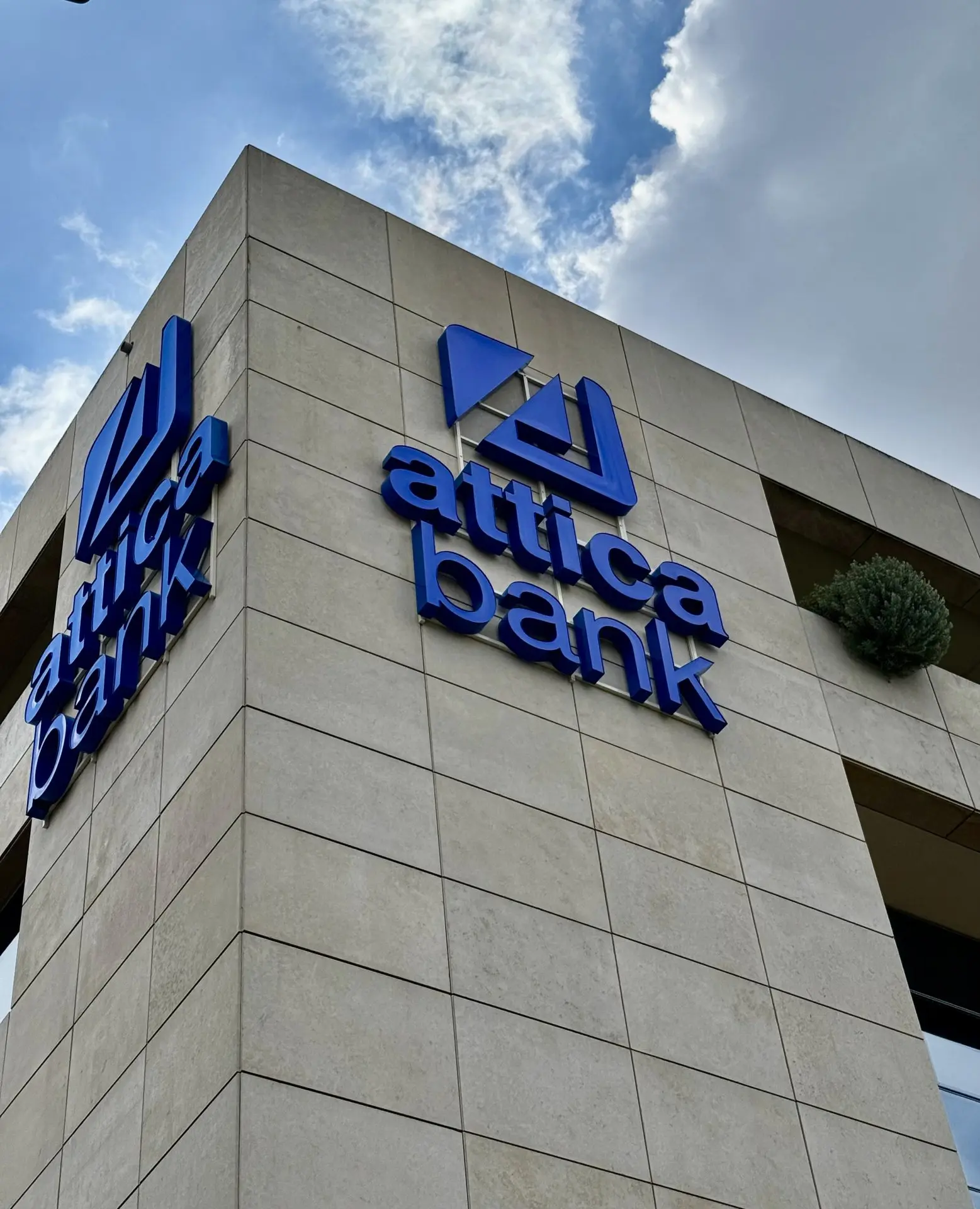
A Historical Perspective on Attica Bank
Founded in 1925, Attica Bank has been a significant player in Greece’s banking sector, often representing the hopes and challenges of the local financial system. Over the decades, it carved out a niche primarily catering to small and medium-sized enterprises (SMEs) and individual customers. However, the financial crisis that began in 2009 severely impacted the bank, as it did with many others in Greece, leading to government interventions and a series of restructuring efforts.
The Current Landscape: A Challenge to Regain Trust
In recent years, Attica Bank has been on a path to recovery, driven by a need to restore public trust. With the Greek economy gradually stabilizing, the bank has been working diligently to improve its lending policies and reduce the burden of non-performing loans—a central issue plaguing the banking sector.
As of September 2023, Attica Bank reported a substantial reduction in non-performing loans, indicating a significant shift in its operational strategies. The bank posted a 20% increase in net profits year-on-year, a promising sign for stakeholders. Yet, the road ahead remains challenging. Social media sentiment reveals a mix of skepticism and optimism, with discussions often trending around the bank’s efforts to modernize its offerings and enhance customer experience.
Expert Insights: The Path Forward
To gain deeper insights into the current state of Attica Bank, we spoke to financial analyst Maria Xanthopoulou, who emphasized, “While Attica Bank has made commendable strides, it must remain vigilant. The competition is fierce, especially with digital banking gaining popularity among younger consumers—this is a crucial demographic for growth.” Her observation aligns with broader trends where digital innovation has become a hallmark for competitive banks worldwide.
Public Perception: A Divided View
Public reaction to Attica Bank’s recovery efforts is mixed. Many consumers express a sense of caution, recalling the bank’s turbulent history, while others are intrigued by the bank’s new offerings. A recent poll showed that approximately 60% of respondents were open to banking with Attica, indicating that while skepticism exists, there’s also a willingness to engage with its evolving services.
Conclusion: The Future of Attica Bank
As Attica Bank continues its journey toward recovery, its focus will likely remain on digital transformation and customer engagement. The bank’s ability to adapt to the rapidly changing financial landscape could determine its future success. While it has endured significant challenges, the resilience shown by Attica Bank may also signify a resurgence not only for itself but for the entire Greek banking sector.