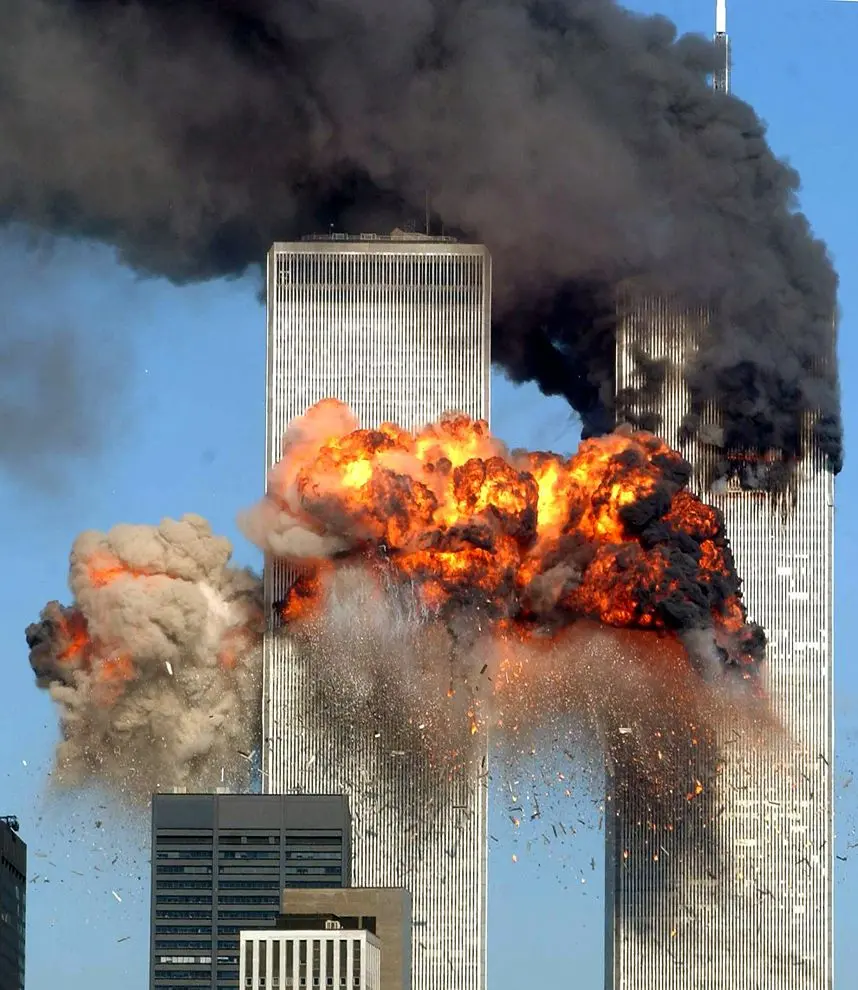
A Nation Remembered, A World Changed
As we approach the 22nd anniversary of the tragic events of September 11, 2001, it’s impossible not to feel the heavy weight of memory mixed with the poignant lessons that have shaped our present and, likely, our future. With every anniversary, we are reminded not just of the tremendous loss of life but also of the seismic shifts in global politics, domestic policies, and societal norms that unfolded in the wake of that devastating day.
The Long Shadow of Terrorism
The immediate aftermath of 9/11 saw a united front against terrorism, but over the last two decades, the complexities of that battle have both evolved and deepened. The U.S. led military campaigns in Afghanistan, and Iraq, and a global war on terrors that redefined international relations. According to a recent Pew Research Center survey, 60% of Americans still believe that the threat of terrorism in the U.S. has increased since 9/11. This persistent anxiety reflects how deeply ingrained the fear of extremism has become in American consciousness.
Domestic Policies and the Loss of Liberty
Domestically, 9/11 catalyzed legislative actions that many argue encroached upon civil liberties, most notably through the USA PATRIOT Act. “We traded a little bit of freedom for a promise of safety,” says Dr. Elena Chu, a political scientist specializing in civil liberties. This compromise has sparked debates about the balance of security and personal freedoms, and many citizens still grapple with its implications today, as surveillance technology continues to grow and evolve.
The Collective Memory and Its Implications
As time passes, the collective memory of 9/11 becomes more abstract, especially for younger generations who were not directly impacted by the events. A 2022 Gallup poll revealed that only 14% of Americans aged 18-29 could recall the details of the day, highlighting a generational divide in perceptions of national identity and security. How our youth understand 9/11 will shape the future of civic engagement, voting behaviors, and even international policies. Sharing stories and educating the next generation becomes critical to preserving the historical significance of that tragic day.
The Healing Process and Moving Forward
The resilience displayed by first responders and the citizens who united to support one another in the days following 9/11 remains one of the most inspirational facets of this period. Memorials and services conducted every September serve as a reminder that while loss is irreparable, unity in the face of adversity can foster healing.
A Complicated Legacy
As we commemorate the 22nd anniversary of 9/11, it is essential to reflect not just on what was lost, but on what has been gained—including advances in emergency response, international collaboration against terrorism, and heightened awareness of the need for vigilance against hate. However, as societal landscapes shift, we must also remain cautious not to allow fear to dictate our policies and interpersonal relationships. As a nation and as global citizens, 9/11 continues to shape our responses to crises and challenges.
As Dr. Chu poignantly concluded, “An event like 9/11 reminds us that history is not just about remembering, but about engaging with it and learning from it.” As we navigate a world that receives increasingly frequent assaults on democracy and shared values, let us remember the lessons of 9/11, aiming for a resolute yet compassionate approach to the future.